envelope

About Me

Hello! I'm Zachary (Zach) Caterer! I am a PhD student in Biological Engineering at the University of Colorado Boulder, part of the Department of Chemical and Biological Engineering, and pursuing a certificate in Interdisciplinary Quantitative Biology (IQ Biology) in the BioFrontiers Institute.

Graduate Education

My graduate education is from University of Colorado Boulder, where I am studying:

Both degrees are housed under the College of Engineering and Applied Sciences at the University of Colorado Boulder. I will also be receiving a certificate in:

This certificate is through the BioFrontiers Institute and funded through the National Science Foundation Integrated Data Science Fellowship.

Zachary Caterer's Senior Photo near UWEC Campus


Graduate Research

In the spring of 2025, I joined Maggie Stanislawski’s lab, where my research broadly focuses on the development of genetically diverse polygenic risk scores for cardiovascular disease, with a specific emphasis on Lipoprotein(a).

Prior to joining Maggie’s lab, I completed rotations through the IQ Biology program. These included projects in the labs of Fan Zhang, Maggie Stanislawski, Kayla Sprenger, Stephan Kissler, and Richard Benninger.


Undergraduate Education

My undergraduate education is from the University of Wisconsin Eau Claire, where I double majored in:

During my time at UWEC, I was able to build a strong foundation in both mathematical theory and biological science, which led me to pursue graduate education at CU Boulder.

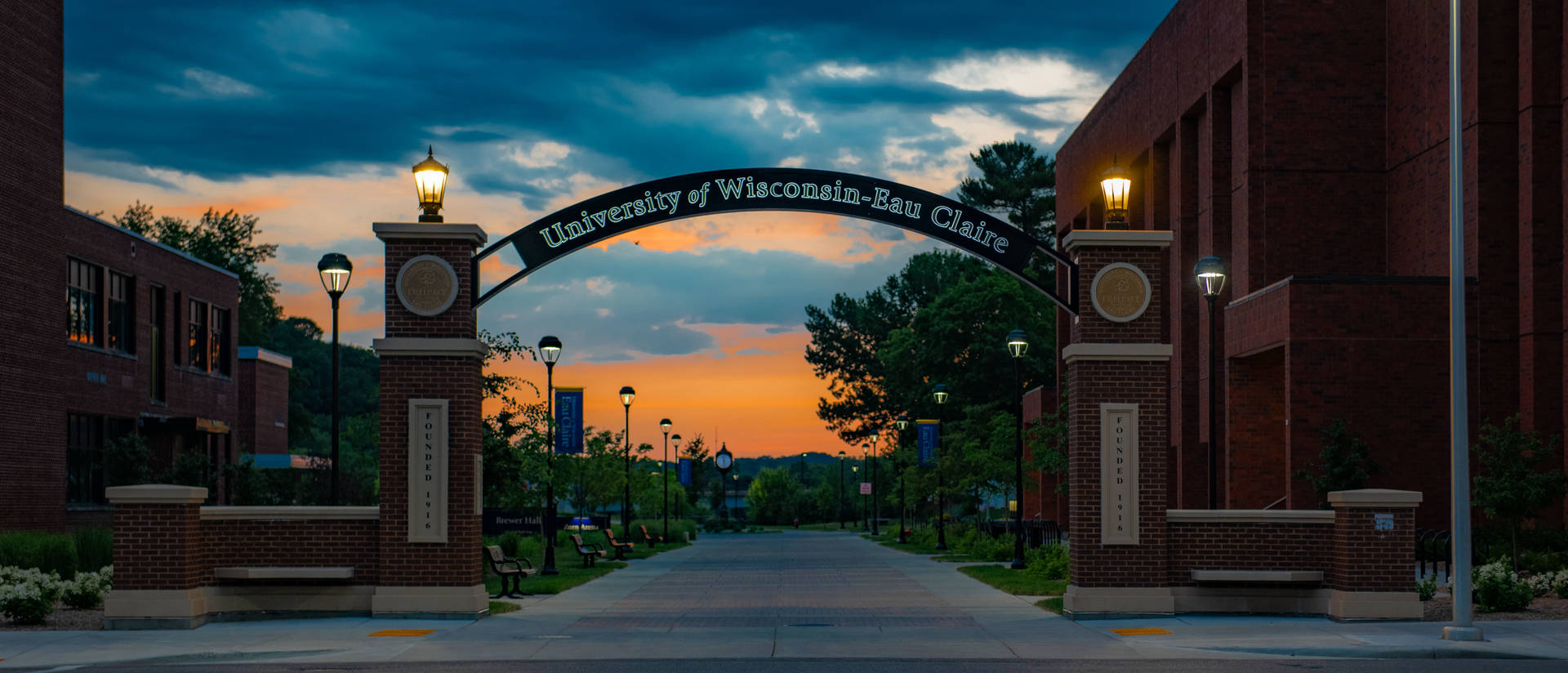
UWEC Campus

Undergraduate Research


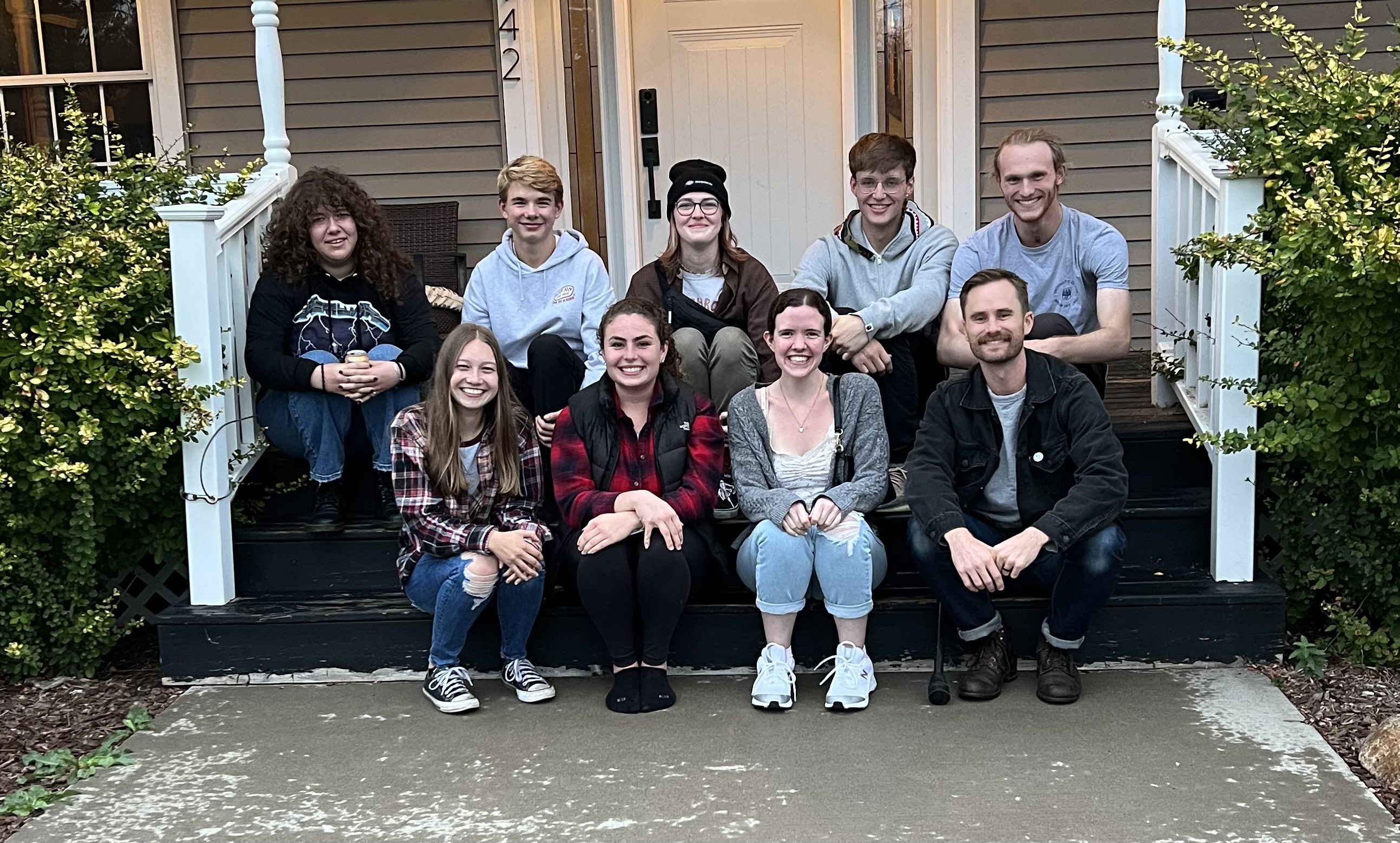
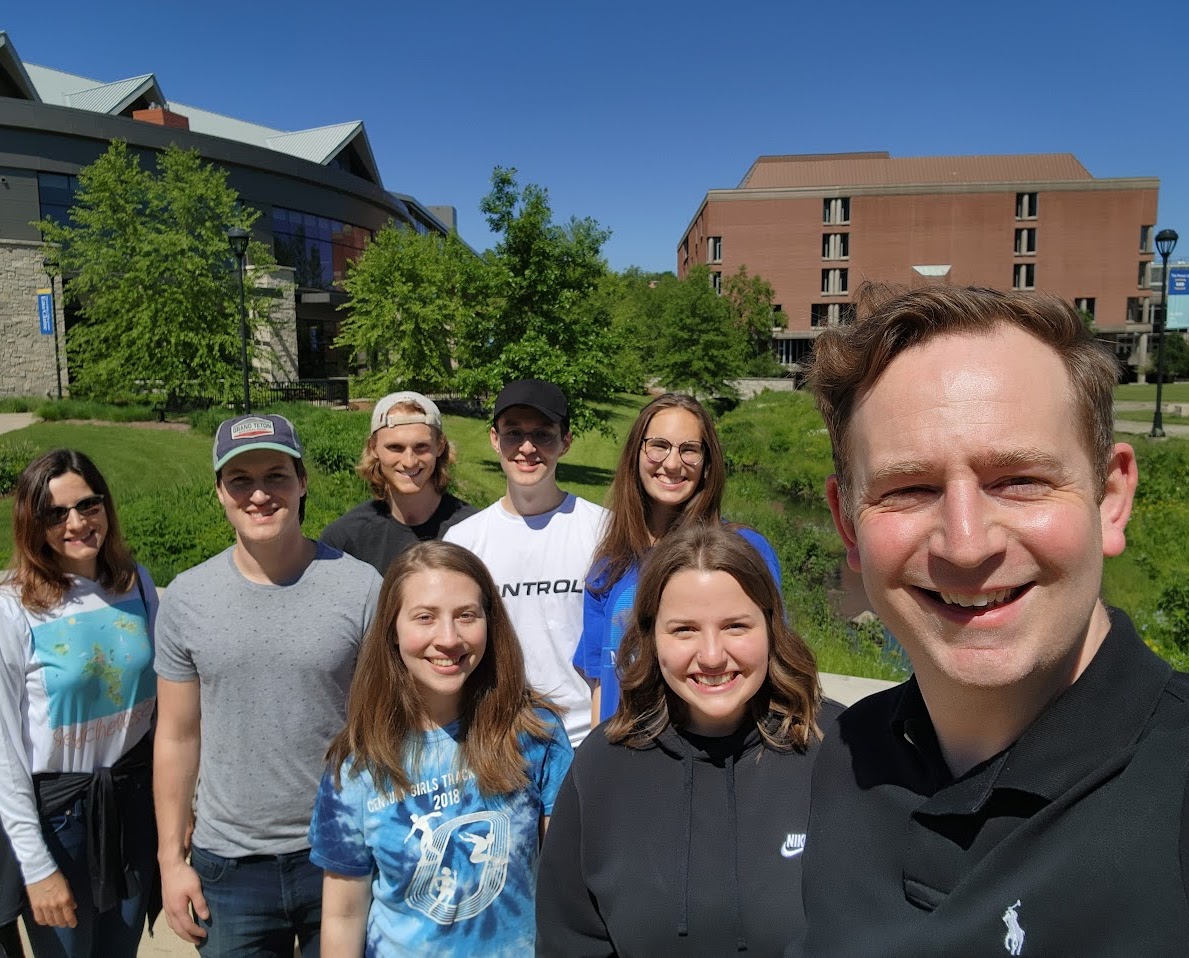
Wheeler Lab social gathering

Research with Dr. Wheeler

During my time at UWEC, I worked with Dr. Wheeler in the Department of Biology. We developed a user-friendly interface for high-throughput analysis of parasitic worms. I had the wonderful opportunity to present this research at the Celebration of Excellence, Research, and Creative Activities (CERCA).

Project Summary

The project, titled wrmXpress GUI, aimed to address the challenges in processing large imaging datasets generated by automated microscopy, particularly in the context of antiparasitic research. The tool analyzes high-content imaging data across various worm species, focusing on parasitic worms.

Where to Learn More

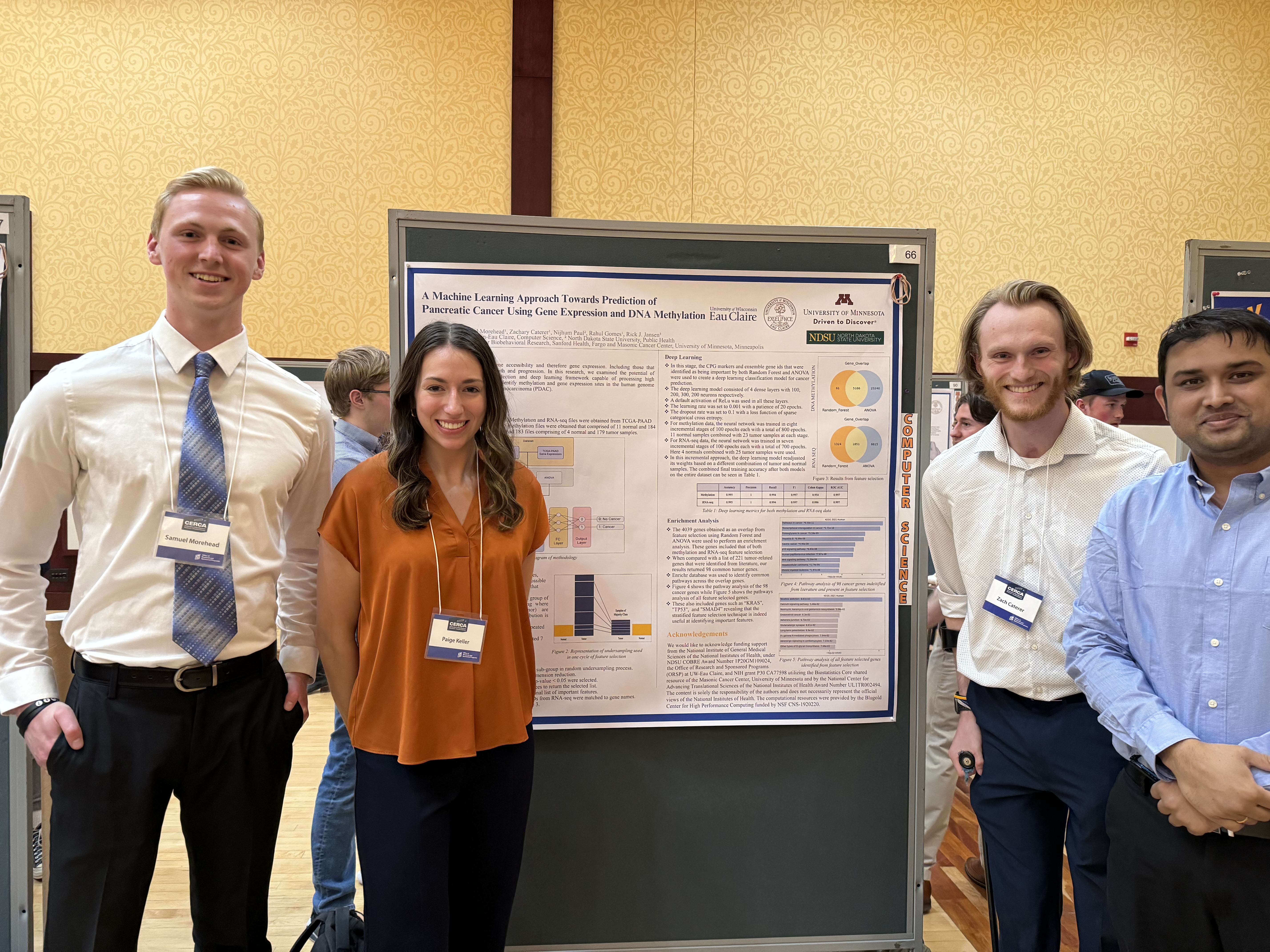
Gomes Research Lab Presenting PDAC Project at CERCA 2024

Research with Dr. Gomes

I collaborated with Dr. Rahul Gomes in the Department of Computer Science on two research projects. I presented this research at the Celebration of Excellence, Research, and Creative Activities (CERCA), and the National Conference on Undergraduate Research (NCUR).

Project Summaries

  1. Pancreatic Ductal Adenocarcinoma (PDAC)

    We developed a scalable feature selection and deep learning framework to identify methylation sites in the human genome associated with PDAC. Our findings hold promise for improving diagnosis and treatment outcomes for this aggressive cancer.

  2. Artificial Intelligence in Tumor Classification Using FTIR

    We proposed a deep learning framework for classifying kidney tumor tissue microarrays using Infrared (IR) spectroscopic imaging data, achieving a classification accuracy of 95.47%.


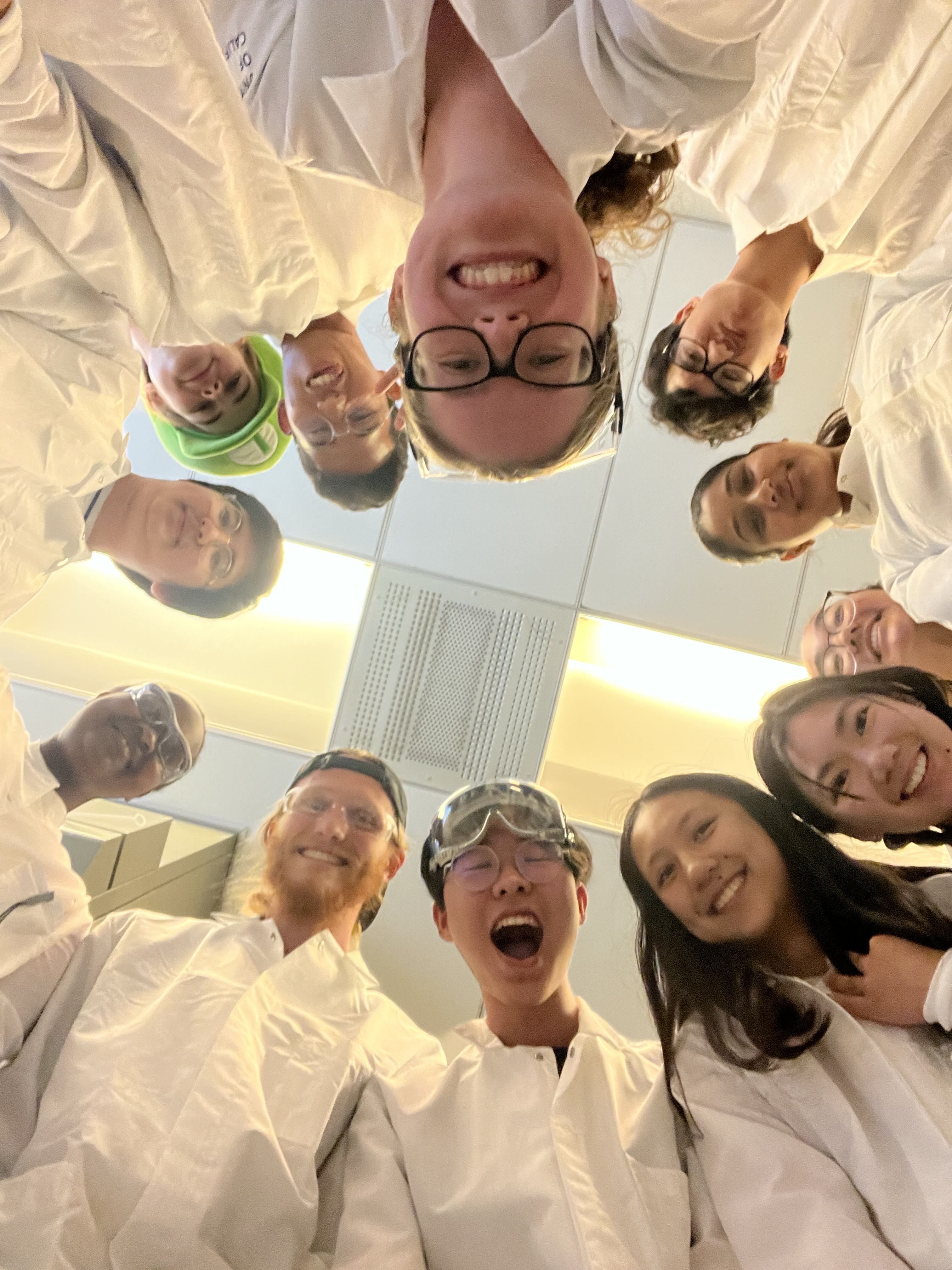
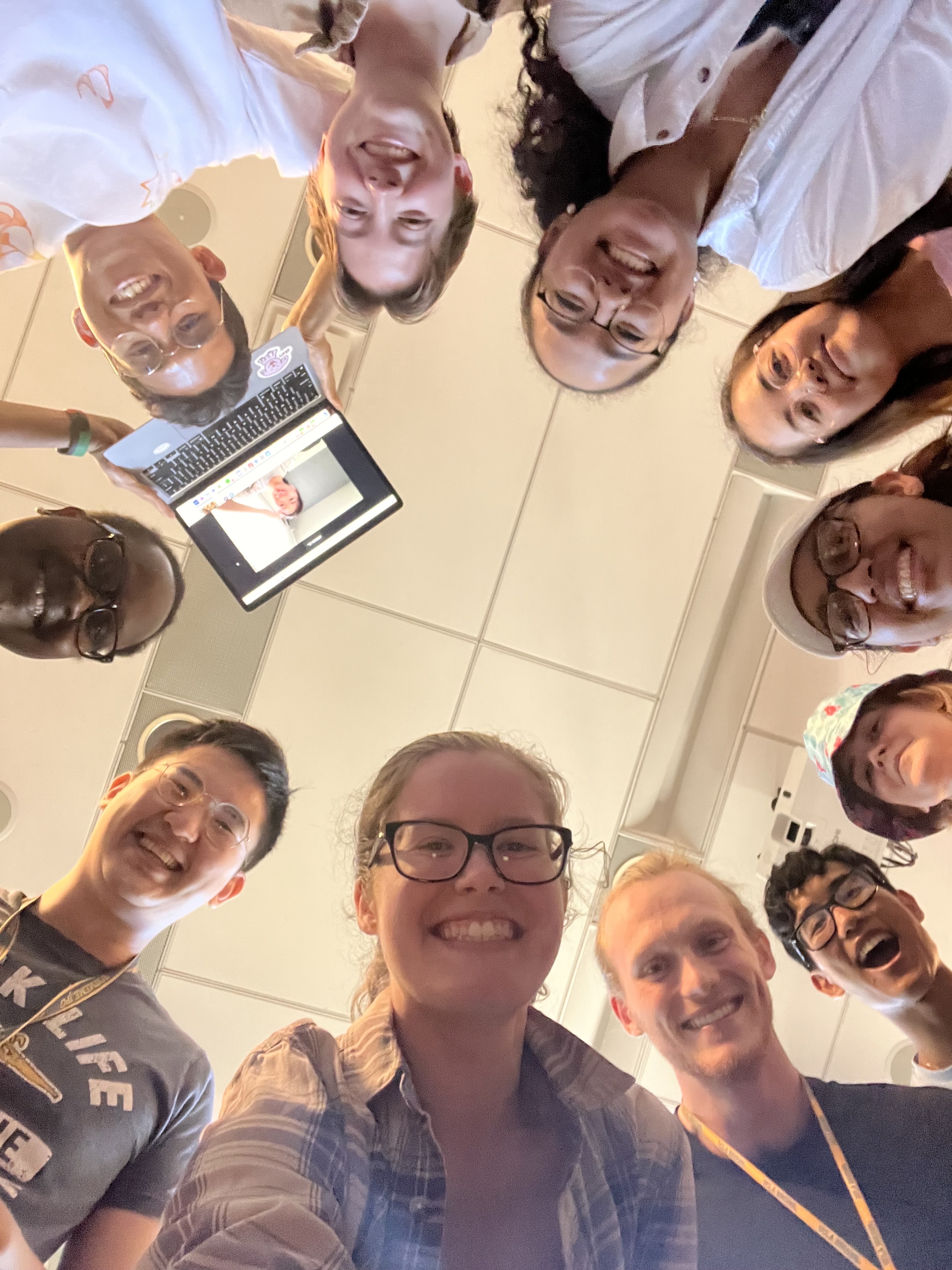
UCLA TKL Lab Circle
UCLA TKL Lab Circle
UCLA TKL Lab Circle
EV AMGEN Scholar
UCLA TKL Lab Circle Part 2
TKL Lab Circle Part 2

Research with Dr. Kamariza

As an Amgen Scholar at UCLA's Department of Bioengineering, I worked with Dr. Mireille Kamariza on developing cutting-edge diagnostics for Tuberculosis (TB).

Project Summary

Our study utilized unique probes for rapid TB detection and incorporated them with Octopi, a machine-learning-enhanced automated fluorescence microscope, significantly improving diagnostic practices.

Where to Learn More


Spectral Pathology Lab

Research with Dr. Walsh

I started my research journey with Dr. Michael Walsh in the Department of Materials Science & Biomedical Engineering, now at the New York Institute of Technology. I presented our findings at Research in the Rotunda, CERCA, and NCUR.

Project Summary

  1. Analysis of Bcl2-Associated Anthanogene 3 Mutated Cardiac Tissue

    This study delves into BAG3 mutations using Fourier-Transform Infrared Spectroscopy (FTIR) for better understanding cardiomyopathies.

  2. Differentiating Between Non-Alcoholic Steatohepatitis and Alcoholic Steatohepatitis through FTIR Imaging

    This research identified biochemical fingerprints that differentiate NASH from ASH, leading to better diagnostics.

  3. Using Infrared Light for Kidney Cancer Diagnosis and Treatment

    The project explored the use of mid-infrared (MIR) imaging for kidney cancer diagnosis, especially distinguishing between tumor types.

  4. Artificial Intelligence in Tumor Classification Using FTIR

    A deep learning framework automated the classification of kidney tumor tissue microarrays, achieving a classification accuracy of 95.47%.

  5. Comparing FTIR Imaging and QCL Technology for Renal Tumor Diagnosis

    This study compared FTIR and QCL technology for differentiating renal tumors, improving diagnostic accuracy.

  6. Spectral Pathology Lab Application Database (SPLAD)

    I contributed to developing software for analyzing spectroscopic data, which enhanced research capabilities and streamlined data analysis.

Where to Learn More